
Aspects of Screen Printing
EDUCATION
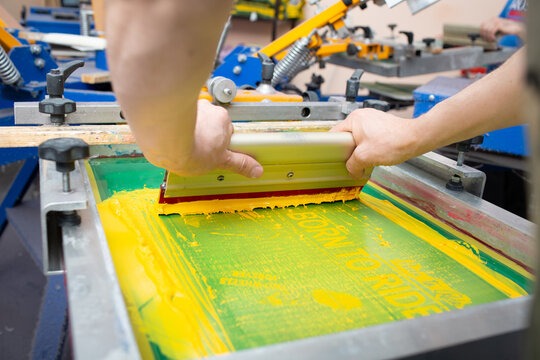
Key elements involve crafting stencil-based art, managing mesh count, applying emulsion, selecting appropriate ink types (either water-based or plastisol), and maintaining off-contact distance for superior, durable, large-scale production outcomes.
Here are the key aspects of screen printing that you should know about in order to fully understand this versatile and widely used method of printing:
Core Components: The screen printing process relies on three main elements: a mesh screen (usually made from either a durable aluminum or a sturdy wood frame), a squeegee used to push the ink smoothly across the fabric, and the ink itself, which comes in a variety of formulations designed for different applications and materials.
Stencil Creation: A design is transferred to the mesh using a light-sensitive emulsion, a sticky substance that is applied to the screen, which is then exposed to UV light. This exposure hardens the emulsion in the areas where light hits, leaving open areas that allow the ink to pass through, thereby creating a stencil that can reproduce intricate designs repeatedly.
Substrates and Materials: Screen printing is highly versatile and can be used on a plethora of surfaces, including a wide range of apparel such as T-shirts, hoodies, and other clothing items, as well as posters, wood, plastic, metal, and glass. This adaptability makes it a popular choice across different industries, from fashion to promotional products and art prints.
Ink and Color: One of the key advantages of screen printing is that it allows for thick, opaque ink deposits, resulting in vibrant, long-lasting colors. This is particularly effective when printing on dark or colored materials, as the dense inks lay down a solid layer of color that holds up beautifully over time.
Mesh Count: The mesh count, which refers to the number of threads per inch in the screen, significantly determines the level of detail achievable in the final print. Higher mesh counts (referring to denser screens) are typically used for fine detail applications, while lower counts are preferred for thicker ink deposits, which are necessary for certain designs, like white underbases on dark fabrics.
Production Factors:
Cost-Efficiency: This method is ideal for high-volume orders because, once the initial setup (screen) is created, it can be reused thousands of times without significant additional costs, making it an economically sound choice for businesses looking to produce large quantities of items.
Registration: Achieving precise alignment of multiple colors is crucial for ensuring that each layer of color lines up perfectly. Each color typically requires its own screen, and careful registration is necessary to avoid misalignment, which can compromise the quality of the print.
Off-Contact: Maintaining a small gap between the screen and the substrate is crucial for ensuring a clean, sharp print. As the mesh snaps back after the squeegee passes, it needs to create the right amount of pressure to transfer the ink without smudging, which is vital for creating high-quality designs.
Drying/Curing: After prints are made, they require proper drying or heat curing processes to ensure the ink adheres effectively and becomes durable. This step is critical because incomplete curing can lead to smudging or fading over time, particularly in items that will be washed or exposed to environmental factors.
Techniques:
Multi-color Printing: This technique involves layering colors to create complex and visually dynamic designs, allowing for an extensive palette that can produce rich images that draw viewers' attention.
Halftones: By using a pattern of dots to create gradients or shading in a design, halftone techniques enable screen printers to achieve a broad spectrum of shades and tones, giving depth to prints that would otherwise appear flat.
Manual vs. Automatic: Screen printing techniques can range from manual, hand-pulled applications to sophisticated, high-speed automatic carousel presses. Each method has its own advantages and suitable applications depending on the scale of production and the complexity of the designs.